
Electrical Panel Upgrades
Capacity for Modern Electrical Demands
Electrical Panel Upgrades in Lansing for homes with frequent breaker trips, outdated fuse boxes, or insufficient circuits for HVAC equipment
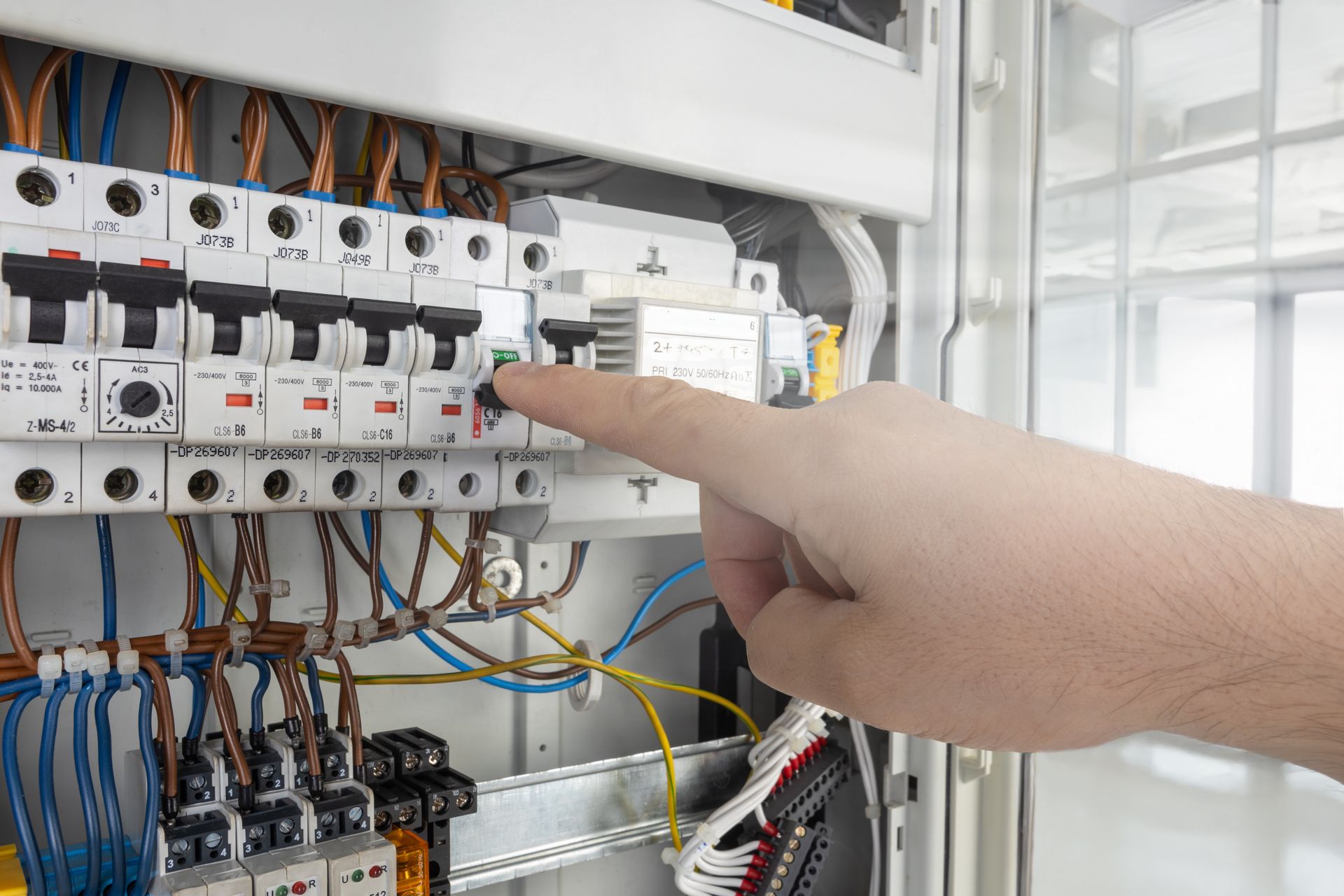
An electrical panel distributes incoming power from the utility through individual circuit breakers that protect wiring throughout your home, but panels installed thirty or forty years ago typically provide only 100 amps of total capacity—insufficient for homes now running heat pumps, central air conditioning, electric vehicle chargers, and modern kitchen appliances simultaneously. Frequent breaker trips indicate circuits carrying more current than their wire gauge can safely handle, and GL Wilson evaluates panel capacity, circuit loading, and breaker conditions to determine whether your electrical system can support current demands or requires an upgrade to 200-amp service. Technicians inspect for overheated breakers, corroded bus bars, and double-tapped circuits where two wires incorrectly share a single breaker terminal, all signs that the panel no longer safely manages your home's power distribution.
Panel upgrades replace obsolete equipment with modern load centers that provide additional circuit slots and higher amperage capacity, allowing separate dedicated circuits for major appliances and HVAC systems. Electricians calculate total expected load by adding the amp draw of all connected devices, then size the new panel to handle peak demand with reserve capacity for future additions. Installation requires coordinating a brief utility disconnect, mounting the new panel enclosure, transferring existing circuits to new breakers, and installing additional circuits where needed to separate high-draw devices that currently share overloaded breakers.
Schedule an electrical inspection to determine whether your current panel capacity and circuit configuration meet code requirements and support your home's power needs.
Heat pump installations and air conditioning upgrades often require dedicated 240-volt circuits with amp capacity that older 100-amp panels cannot provide without exceeding safe total load limits, forcing homeowners to choose between keeping existing electrical systems and installing energy-efficient HVAC equipment. Electricians verify available panel capacity before HVAC installations proceed, calculating whether adding a heat pump circuit would push the panel beyond its rated capacity during peak usage when multiple appliances operate simultaneously. Panels lacking physical space for additional breakers or showing signs of age—rust, overheating marks, or failed breakers—require replacement before new HVAC equipment connects to the electrical system.
After a panel upgrade is completed and new circuits are tested, circuit breakers stop tripping during normal appliance use because each major device draws power through appropriately sized dedicated circuits rather than sharing overloaded pathways. Your HVAC system operates on a circuit properly sized for its amp draw, eliminating voltage drops that reduce equipment efficiency and shorten component lifespan. The panel provides open breaker slots for future additions like electric vehicle chargers, backup generators, or home additions without requiring another costly service upgrade.
Upgrades must meet current National Electrical Code standards and local inspection requirements, and GL Wilson coordinates permit applications and final inspections to ensure all work complies with Lansing building codes and passes municipal review.
When Panel Capacity Limits HVAC System Options
Electrical Panel Upgrade Questions
Homeowners considering electrical panel upgrades typically ask about capacity requirements, project timelines, and how upgrades affect other home systems.
How do I know if my home needs a 200-amp panel instead of a 100-amp panel?
Homes with electric heat, central air conditioning, electric water heaters, or plans to add EV chargers typically require 200-amp service to safely handle combined loads during peak usage, while smaller homes with gas heating and minimal high-draw appliances may operate adequately on 100-amp service.
Will upgrading my electrical panel require changes to my HVAC system?
Panel upgrades provide an opportunity to install properly sized dedicated circuits for heating and cooling equipment, but existing HVAC systems continue operating on new circuits without equipment modifications unless undersized wiring previously limited performance.
How long does electrical panel replacement take?
Most residential panel upgrades are completed within four to eight hours, including utility disconnect coordination, panel installation, circuit transfer, and final testing, though projects requiring meter base replacement or service entrance upgrades may extend into a second day.
What happens to my power during a panel upgrade?
Electricians coordinate brief utility disconnects lasting one to two hours while the meter is pulled and service wires are transferred to the new panel, after which power is restored and circuits are energized individually as they are connected and tested.
Can an electrical panel upgrade improve HVAC system efficiency?
Properly sized circuits eliminate voltage drops that force motors and compressors to draw excess current, allowing HVAC equipment to operate at design efficiency and reducing the electrical stress that shortens component lifespan.
GL Wilson has provided home comfort solutions including electrical system upgrades to Lansing homeowners for more than six decades. Contact the company to discuss panel capacity evaluation and upgrade options that support your home's electrical and HVAC requirements.