
Heat Pump Installation
Heating and Cooling From One System
Heat Pump Installation in Lansing for homes replacing aging furnaces, upgrading to energy-efficient climate control, or adding cooling capacity
Homes throughout Lansing experience both sub-zero winter cold and summer heat that exceeds ninety degrees, creating year-round comfort demands that older furnace-and-air-conditioner combinations often meet inefficiently or incompletely. A properly sized heat pump installation eliminates the need for separate heating and cooling equipment by using refrigerant cycle technology to transfer heat into your home during winter and remove it during summer. GL Wilson designs heat pump installations based on detailed heat load calculations that account for insulation levels, window efficiency, ductwork capacity, and the specific temperature ranges Lansing homes must handle throughout the year.
Installation begins with load calculations that determine the BTU capacity required to maintain comfortable temperatures during both January cold snaps and July heat waves, preventing undersized systems that run continuously or oversized systems that cycle too frequently and waste energy. Technicians evaluate existing ductwork for adequate sizing, seal leaks that reduce efficiency, and verify that airflow matches the new system's requirements. Refrigerant line sets connect the outdoor condenser to the indoor air handler, with line length and diameter carefully matched to manufacturer specifications to prevent efficiency losses.
Schedule a home assessment to receive system sizing recommendations and installation estimates based on your current HVAC equipment and comfort goals.
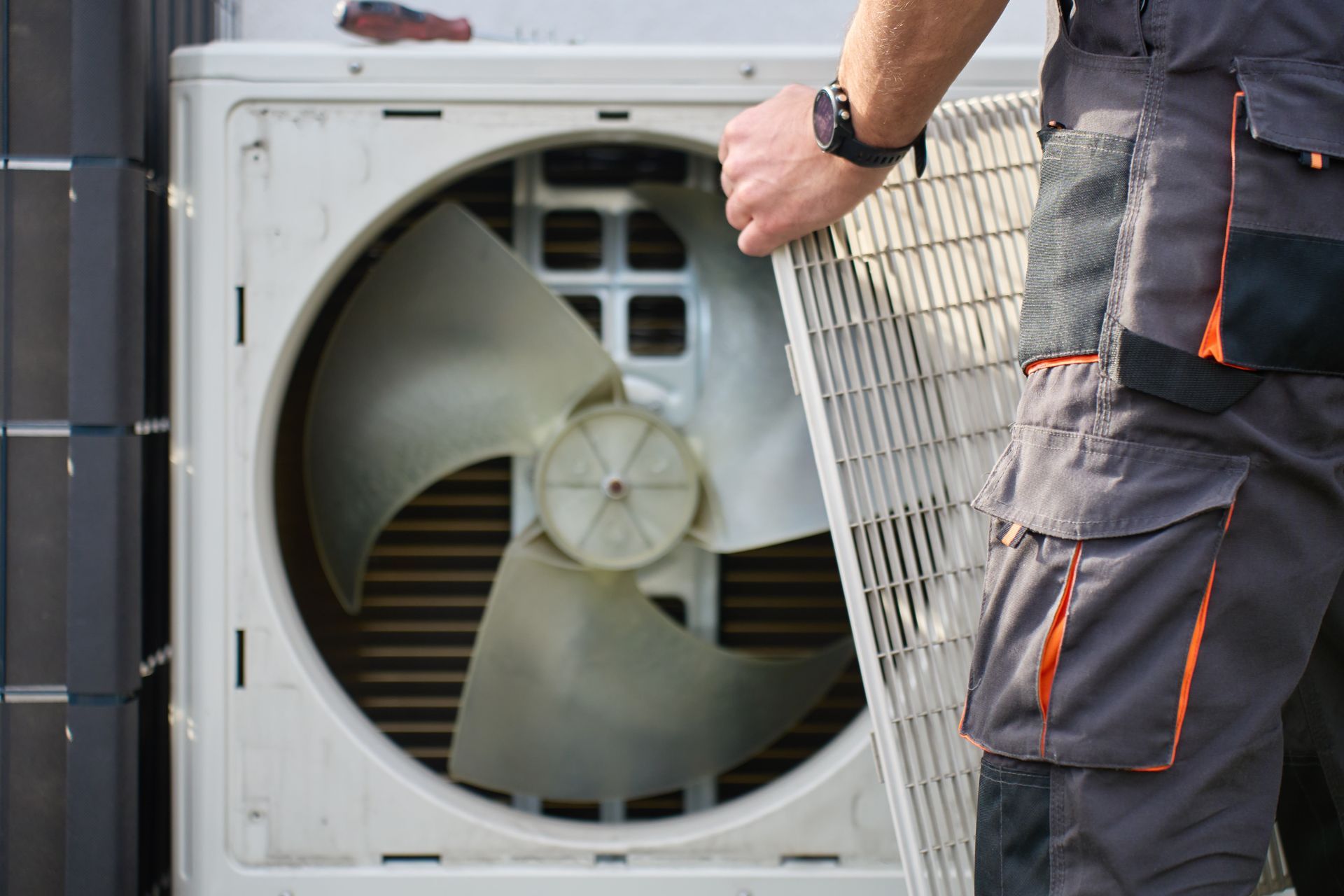
Heat pump installations require refrigerant line connections, condensate drainage, and reversing valve wiring that furnace-only systems do not use, along with outdoor unit placement that allows adequate airflow and clearance for snow accumulation during Michigan winters. Systems are positioned to minimize refrigerant line length while keeping outdoor units away from bedroom windows where compressor noise might disrupt sleep. Indoor air handlers connect to existing ductwork or, in homes without ducts, wall-mounted units deliver conditioned air directly into living spaces.
Once installation is complete and refrigerant charge is verified, your home maintains set temperatures using significantly less energy than older heating systems, with the thermostat controlling both heating and cooling functions from a single interface. Temperature swings between rooms decrease as properly sized equipment runs longer cycles that distribute air more evenly. You eliminate the maintenance requirements and failure points of running two separate systems, and smart thermostat integration allows you to adjust temperatures remotely or program setback schedules that reduce energy use when the home is unoccupied.
GL Wilson integrates heat pump installations with existing electrical panels, verifying that circuit capacity and wire sizing meet the demands of new equipment, and coordinates any necessary electrical upgrades before installation day to prevent project delays.
How Heat Pump Installation Differs From Furnace Replacement
Questions Before Installing a Heat Pump
Homeowners considering heat pump installation typically ask about system performance during Michigan winters, installation timelines, and how heat pumps compare to the heating equipment they currently use.
How do modern heat pumps perform during Lansing winters with temperatures below zero?
Current cold-climate heat pump models maintain effective heating capacity down to negative fifteen degrees Fahrenheit using variable-speed compressors and advanced refrigerants, though most installations include backup heat strips or retain existing furnaces as supplemental heat sources during extended cold snaps.
What happens to my existing furnace when a heat pump is installed?
Many Lansing installations configure heat pumps as the primary heating source with existing furnaces serving as backup during extreme cold, creating a dual-fuel system that maximizes efficiency while ensuring reliable heating when outdoor temperatures drop below the heat pump's effective range.
How long does a complete heat pump installation take?
Most residential installations are completed within one day once equipment arrives, though projects requiring significant ductwork modifications, electrical panel upgrades, or outdoor unit pad construction may extend into a second day depending on scope and site conditions.
Will a heat pump lower my energy costs compared to my current heating system?
Heat pumps typically reduce heating costs by twenty to forty percent compared to older furnaces or electric resistance heat because they move existing heat rather than generating it through combustion or electrical resistance, though actual savings depend on your current system's efficiency, fuel costs, and winter temperature patterns.
What maintenance does a heat pump require after installation?
Filter changes every one to three months, annual professional inspections that check refrigerant charge and electrical connections, and keeping the outdoor unit clear of snow, ice, and debris maintain system efficiency and prevent premature component failures.
GL Wilson has installed heating and cooling systems throughout Lansing for more than six decades, helping homeowners transition to energy-efficient comfort solutions. Contact the company to discuss heat pump options tailored to your home's heating load and your budget.